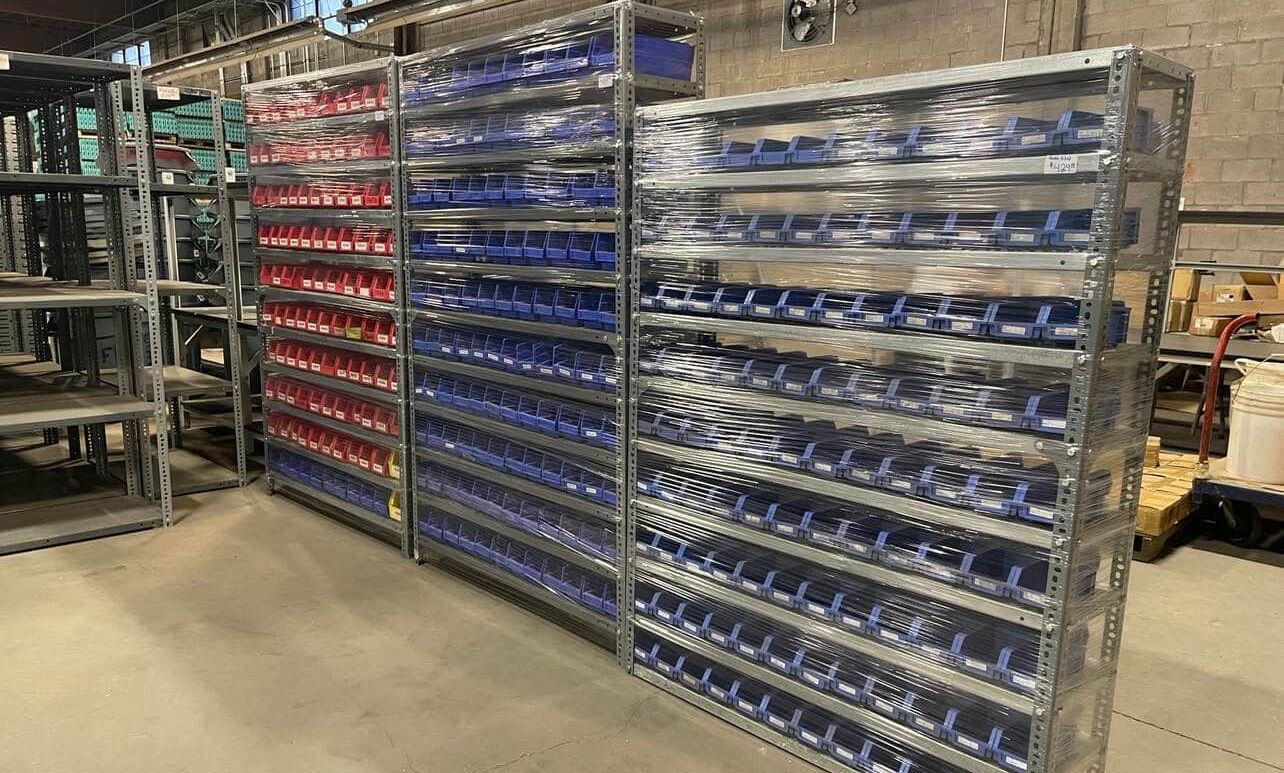

For warehouse operators in Alberta, optimizing storage space while managing a strict budget is a constant balancing act. Pallet racking is the backbone of any efficient logistics operation, and choosing to buy used pallet racking offers a high-quality, cost-effective solution without compromising performance.
In this guide, we’ll look at safety protocols, strategic purchasing considerations, and the long-term benefits of used systems, giving you a comprehensive roadmap for selecting used pallet racking that is safe, durable, and tailored to your facility.
Why Buy Used Pallet Racking?
Choosing pre-owned equipment is a smart business investment for several reasons beyond the immediate price tag.
Cost-Effectiveness
New warehouse businesses often face tight budgets. By opting for used systems, you can save up to 50% compared to buying brand-new equipment, allowing you to reinvest those funds into inventory, staffing, or technology.
Quick Availability
Unlike new racking, which may involve long manufacturing lead times and shipping delays, used racking is typically in stock and ready for immediate delivery or pickup.
Sustainability
Buying second-hand is an eco-friendly choice. It reduces the demand for new steel manufacturing and prevents high-quality industrial materials from ending up in landfills, effectively lowering your business’s carbon footprint.
Scalability
Used racking provides the flexibility to start small and expand gradually. As your operations grow, you can easily add matching components to your existing system without the high overhead of new custom orders.
Key Considerations Before You Buy Used Pallet Racking
Before you begin shopping, it’s essential to assess your operational needs to ensure the system you choose improves your workflow rather than hinders it.
- Understand Your Storage Needs
Identify the types and weights of the items you plan to store. Different systems support varying weight capacities. Knowing your inventory’s size, shape, and packaging—whether standard pallets, boxes, or oddly shaped bins—is the first step in selecting the right rack.
- Meticulous Space Optimization
Measure your available floor area and vertical height. Don’t forget to account for obstacles like doors, columns, and sprinkler systems. A well-designed layout should maximize vertical space while maintaining comfortable aisle widths for your forklifts.
- Compatibility with Equipment
Ensure that when you buy used pallet racking, it’s compatible with your existing material handling equipment. For instance, the aisle width must accommodate your forklift’s turning radius, and the beam height must be within the lift’s reach.
- Future-Proofing
Choose a versatile system that can adapt to changing requirements. Bolted frames and adjustable beam levels allow for easier repairs and reconfigurations as your business evolves.
Safety First: What to Look for During Inspection
When you buy used pallet racking, safety is the most critical factor. A well-maintained system prevents accidents, protects fragile inventory, and ensures compliance with local building codes. If possible, inspect the equipment in person or request high-resolution images of the following:
Structural Integrity
Check for visible bends, cracks, or significant corrosion. While minor surface scratches are common in used gear, deep rust or warped uprights compromise the system’s strength.
Upright and Beam Condition
Uprights (the vertical supports) must be perfectly straight. Beams (the horizontal supports) should be inspected for “deflection”—how much they bend under a load. Ensure all welds are intact and that connectors fit securely.
Safety Pins and Footplates
Check for missing or damaged safety clips/pins, which are essential for securing beams to uprights. Additionally, ensure the footplates at the base of the uprights are not cracked and are ready to be anchored to the floor.
Capacity Labels
Always look for the manufacturer’s original load capacity labels. Knowing the maximum weight per beam level is essential to prevent dangerous collapses.
Choosing the Right System for Your Workflow
Depending on your inventory rotation, different types of used pallet racking may be more suitable:
- Selective Pallet Racking: The most common and versatile type, offering 100% accessibility to every pallet. Ideal for high-variety inventory and First-In, First-Out (FIFO) management.
- Drive-In/Drive-Through: Designed for high-density storage of similar items, allowing forklifts to drive directly into the racking rows.
- Cantilever Racking: The best solution for long or irregularly shaped items like lumber, pipes, or furniture.
Maintaining Your Investment
Safety doesn’t end with the purchase. To ensure your system remains durable for years to come:
- Conduct Regular Inspections: Schedule routine checks to identify wear and tear or forklift damage early.
- Proper Training: Ensure all employees are trained on safe loading/unloading procedures and weight distribution.
- Even Load Distribution: Always place heavier pallets on lower levels and distribute weight evenly across the beams to maintain stability.
GD Liquidators: Your Reliable Partner In Used Pallet Racking
When looking for used pallet racking in Edmonton, reputation matters. A trustworthy supplier like GD Liquidators provides transparency into the equipment’s history and condition. All of our used pallet racking is thoroughly inspected to ensure compliance with internal standards and local safety regulations.
Whether you are setting up a new facility or modifying an existing one, choosing a reliable partner ensures you get the best long-term value for your operation. Contact GD Liquidators to discuss your pallet racking needs and find out how we can help.