
Alberta winters can be tough on warehouses. Every time a loading door opens, snow, slush, and road salt can get inside. Temperature changes can also cause moisture to collect on shelves, equipment, and packaging, putting stored inventory at risk of damage. Having a plan for winter-proof warehouse storage can help prevent damage and keep your inventory in good condition.
Fortunately, a few simple changes can make a difference. From managing moisture around loading areas to choosing the right new & used storage, there are several ways to prepare your warehouse for winter.
Create a Slush Zone Near Warehouse Entrances
Loading docks and warehouse entrances are where winter weather often causes the most problems. Employees, forklifts, and deliveries can bring snow, water, and road salt inside.
Setting up a designated slush zone helps keep moisture away from inventory.
A few ways to manage these areas include:
- Use heavy-duty entrance mats: Catch snow, water, and debris before they spread.
- Keep cleaning supplies nearby: Remove standing water and slush throughout the day.
- Set up a staging area: Inspect incoming deliveries for wet or damaged packaging.
- Clean up road salt: Remove salt residue from floors and equipment to help prevent corrosion.
Keep walkways and forklift routes clear when setting up these areas.
Keep Inventory Away from Loading Doors
Loading doors are one of the worst places to store inventory during winter. Every time they open, cold air, snow, and slush can get inside, leaving nearby products exposed to moisture and temperature changes.
Keep products easily damaged by moisture away from entrances and exterior walls. Use pallets or shelving to keep boxes off the floor, especially in areas where melting snow and slush tend to collect.
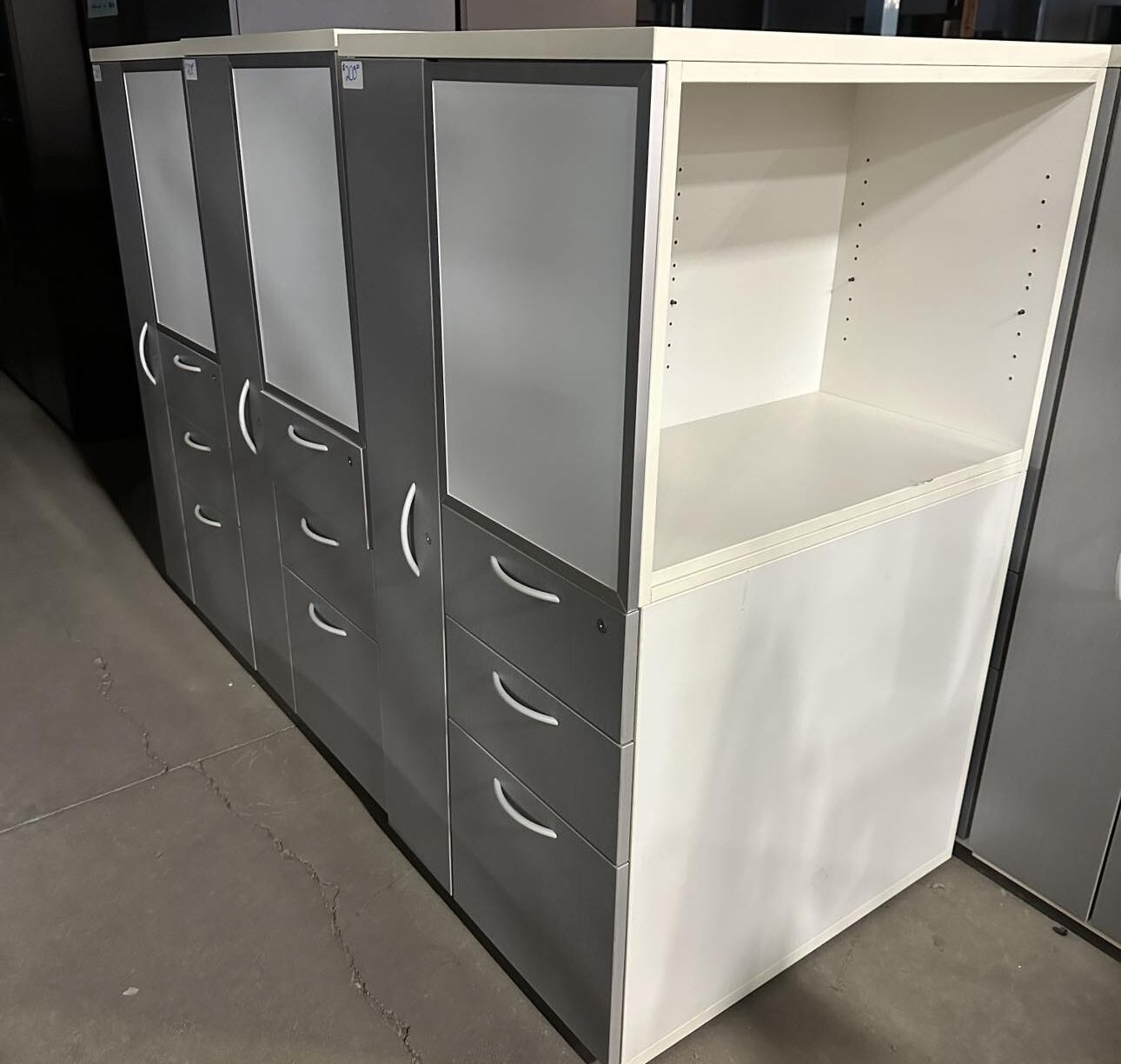
For smaller tools and supplies, storage cabinets and lockers can help keep everything organized and out of the way of busy loading areas.
Protect Inventory with Pallet Wrap and Covers
Pallet wrap and covers help keep dust, dirt, and moisture off your inventory. Just make sure everything is dry before wrapping it. Otherwise, you could trap moisture inside and damage the packaging.
Here are a few things to keep in mind:
- Check for moisture: Make sure boxes and pallets are dry before wrapping them.
- Secure loose items: Use stretch wrap to keep boxes and other products in place.
- Cover the tops of pallets: Add a protective cover to keep dust and dripping water off stored products.
- Don’t trap moisture: Some products need airflow, so avoid wrapping them too tightly.
- Check for damage: Replace torn wrap and any packaging that has become wet.
Keep in mind that regular stretch wrap isn’t waterproof. If you’re storing moisture-sensitive products, you may need extra protection or a temperature-controlled storage area.
Keep Humidity and Condensation Under Control
Temperature changes can cause moisture buildup in your warehouse, especially in winter. You may notice condensation on metal shelves, equipment, or packaging in colder areas near loading doors and exterior walls.
You can reduce moisture problems by:
- Monitoring humidity levels with a hygrometer.
- Checking for condensation around doors, windows, and exterior walls.
- Repairing leaks and cleaning up standing water.
- Using ventilation or dehumidifiers where appropriate.
- Keeping sensitive products away from cold surfaces.
Different materials have different storage requirements, so check manufacturer recommendations when storing moisture-sensitive products.
Inspect Shelving and Storage Equipment
Snow, moisture, and road salt can take a toll on your warehouse shelving and storage equipment over the winter.
Take some time to check shelves, cabinets, and other storage units for rust, loose connections, or damage. Pay particular attention to areas near loading doors where snow and salt are more likely to get tracked inside.
Wipe away salt residue and deal with any damage as soon as you notice it. If the shelving is badly rusted or damaged, have it inspected before using it again.
Regularly checking your storage equipment can help prevent bigger problems down the road.
Choose Storage That Works for Your Warehouse
If products regularly end up near loading doors or on damp floors because you’re short on space, it may be time to rethink your storage layout.
When comparing new & used storage options, consider your available space, the weight of your inventory, and how frequently employees need access.
Buying used storage equipment can help you save money, provided it’s in good condition and meets your storage needs.
Find New & Used Storage Solutions at GD Liquidators
Protecting your warehouse inventory during winter starts with keeping moisture under control and making sure products are stored properly. The right storage equipment can also help keep inventory off damp floors and away from busy loading areas.
At GD Liquidators, we carry a changing selection of new & used storage solutions for Edmonton businesses, including cabinets, lockers, and other storage equipment.
Looking to improve your warehouse storage this winter? Contact GD Liquidators to request a no-obligation quote, or visit our Edmonton warehouse to see what’s currently available.